Real-Time Hunger Surveillance Across Rural Zambia

Household-level intelligence that delivers early warning signals for emerging food and nutrition crises.

WHAT WE DO

Meal Watch provides high-frequency, household-level food security and nutrition intelligence across rural Zambia, supporting evidence-based decision-making for timely intervention.

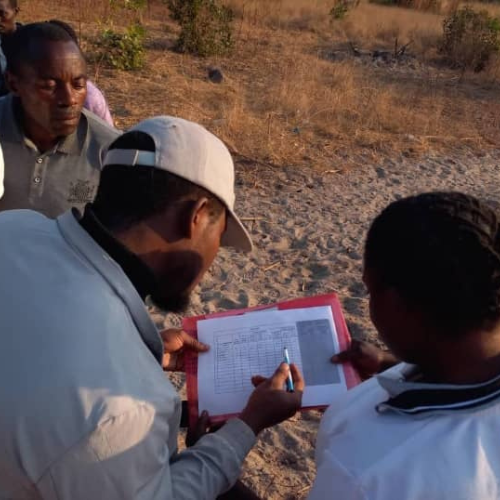
Capacity Development

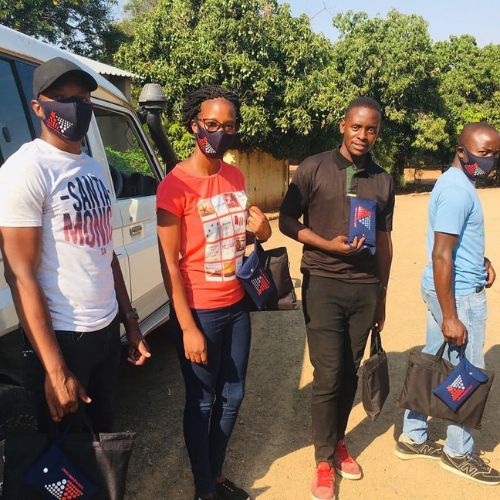
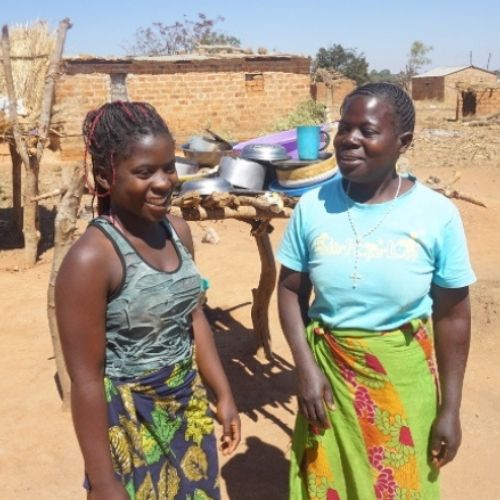
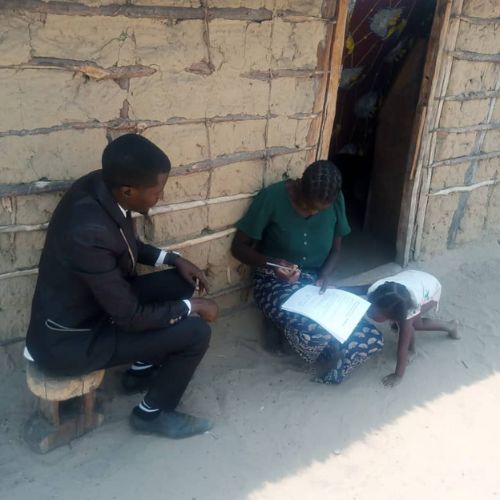
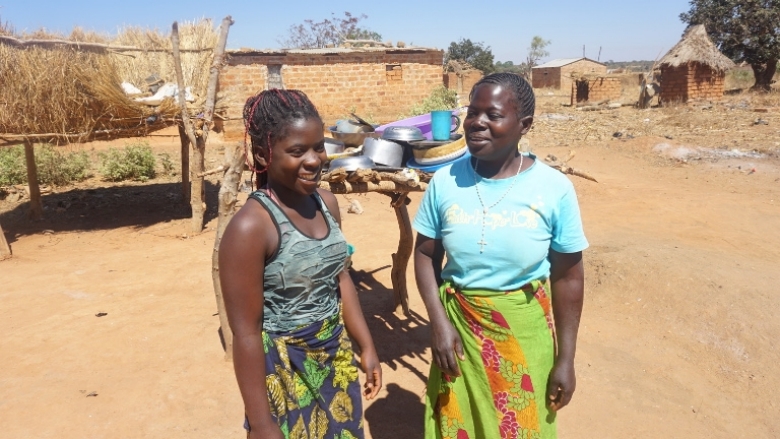
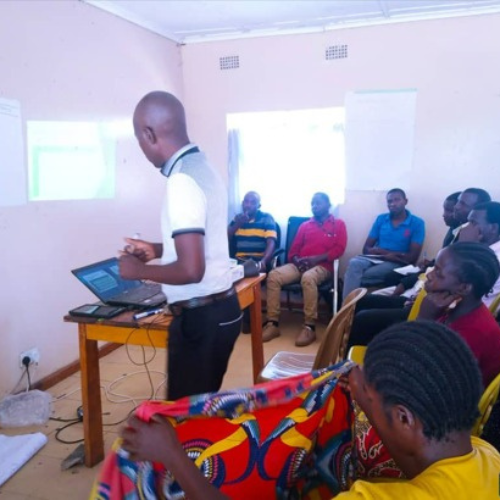
Community monitors are trained in standardized data collection, ensuring accurate, reliable, and contextually relevant reporting on household food consumption and nutrition indicators.

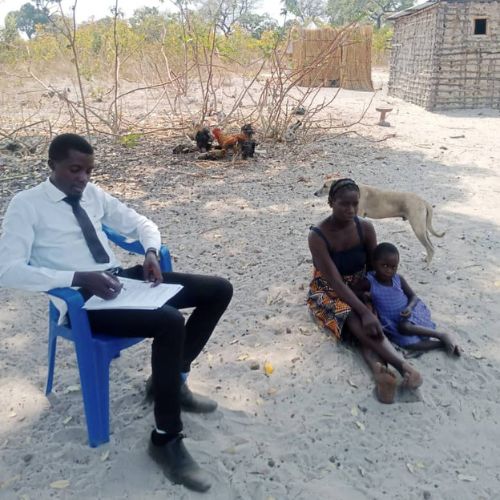
Systematic Household Surveillance

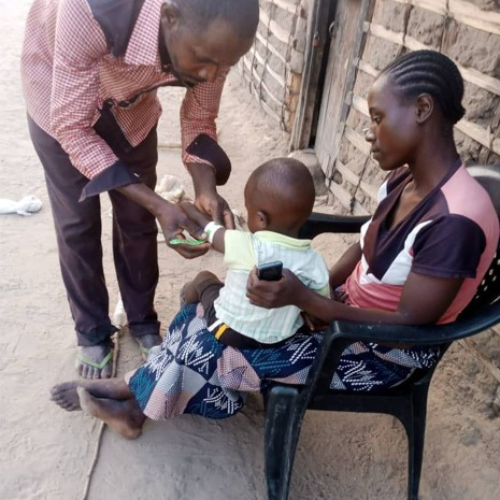
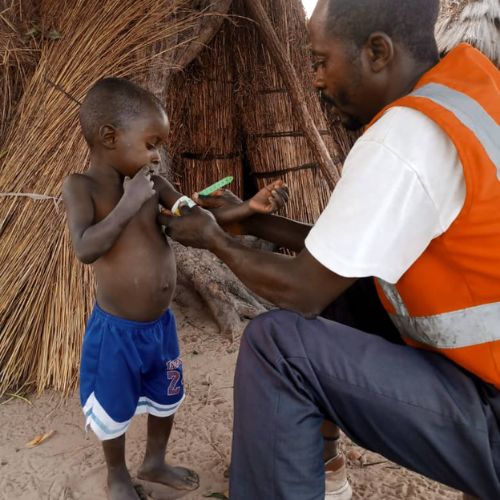
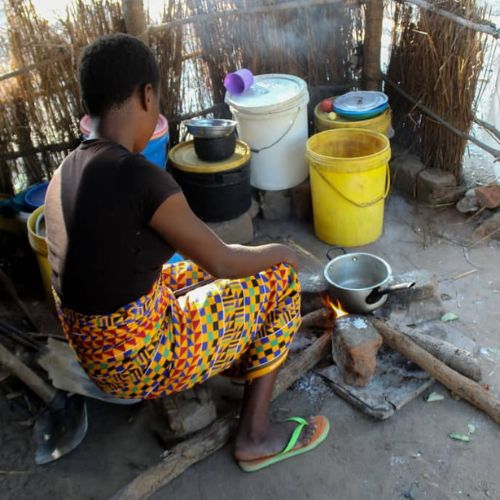
Weekly monitoring captures structured information on dietary intake, food access, and early signs of malnutrition.

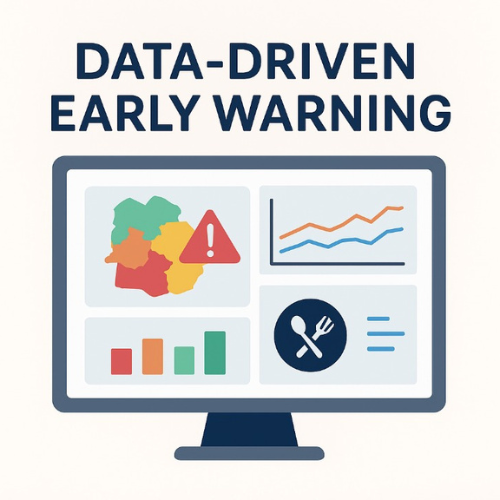
Data-Driven Early Warning

Collected data is analyzed to produce risk maps, trend analyses, and early-warning signals, enabling rapid identification of emerging food and nutrition crises.

Verification and Quality Assurance

Multi-tiered validation—including supervisor oversight and community feedback—ensures the integrity and reliability of all reports.

Facilitating Early Response and Policy Advocacy

By providing actionable, evidence-based insights, Meal Watch supports partners in rapid operational response and informs policy and programmatic decisions addressing rural food insecurity.

Meal Watch bridges data, analysis, and action, empowering partners to detect, respond to, and prevent food and nutrition crises before they escalate.

WHY IT MATTERS

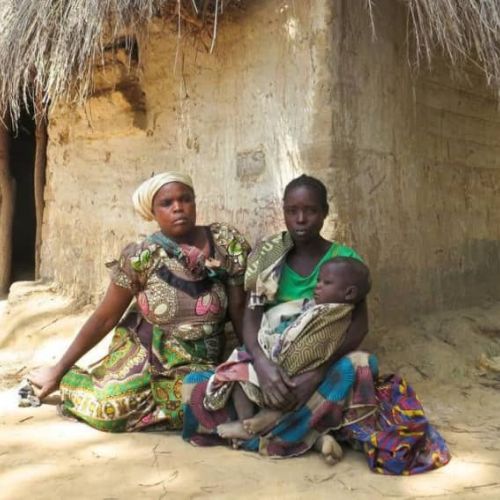
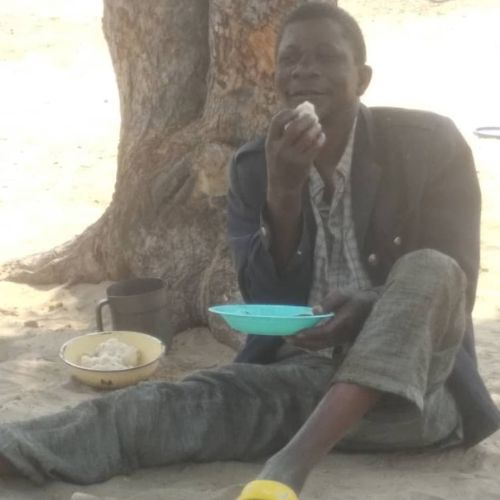
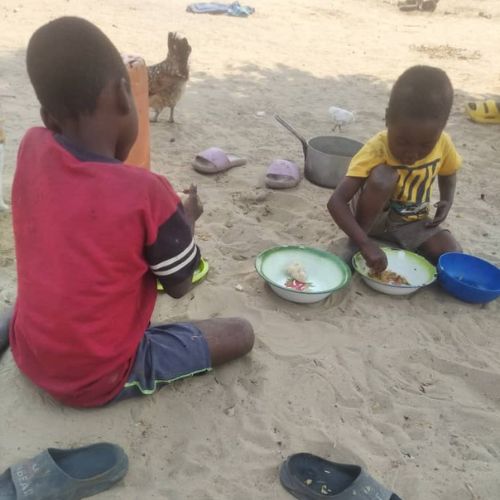
Rural food insecurity in Zambia is rapidly evolving and highly localized, yet traditional monitoring systems rely on infrequent national surveys that capture only aggregated trends. By the time these reports are released, emerging household-level crises may have already escalated. In 2023, over 36% of rural households experienced severe food insecurity, demonstrating the urgent need for high-frequency, actionable intelligence.


Meal Watch fills this critical gap by providing weekly, verified, household-level data on meals, dietary diversity, food access, and early nutrition stress. This data is rigorously validated through supervisor oversight and community feedback, ensuring accuracy and contextual relevance.


Our intelligence is translated into risk maps, trend analyses, and early-warning alerts, enabling partners to identify emerging crises, target interventions, and allocate resources effectively. Beyond immediate response, Meal Watch provides a framework to monitor progress toward SDG 2 (Zero Hunger) by 2030, assessing caloric sufficiency, nutritional adequacy, and equitable access at the household level.


By bridging data, analysis, and action, Meal Watch empowers partners to detect, respond to, and prevent food and nutrition crises before they escalate, ensuring that interventions are timely, precise, and impactful

Help Them

Communities monitored
0 +
Households surveyed weekly
0 +
Weekly Updates
0 +
Verification
0 %
Years Of Foundation
0 +

METHODOLOGY

Our surveillance system follows a structured, multi-stage process:


  1. Community recruitment and vetting
  2. Standardized training protocols
  3. Weekly household-level data collection
  4. Data cleaning and consistency checks
  5. Zone-level risk classification
  6. Real-time alert generation
  7. Weekly verification and community review

A Zambia where every household is food-secure, children thrive, and communities are empowered to achieve sustainable nutrition outcomes.

To deliver timely, actionable, community-driven intelligence on food security and nutrition, enabling authorities, NGOs, and partners to prevent hunger and malnutrition proactively.

  • Community-Centered: Grounded in trust, local knowledge, and engagement
  • Innovation: Leveraging technology and analytics for actionable intelligence
  • Evidence-Driven: Data guides interventions, policy, and advocacy
Meal Watch Logo......................

Curtis Katawa

Founder, Meal Watch

DATA PIPELINE

1

Data Collection

2

Verification

3

Cleaning

4

Analysis

5

Mapping

6

Alerts

7

Reporting

PARTNERSHIPS

Local government health offices

NGOs working in food security and nutrition

Research and data science institutions

Community leadership structures

Stand With Us to Strengthen Zambia’s Food Security System

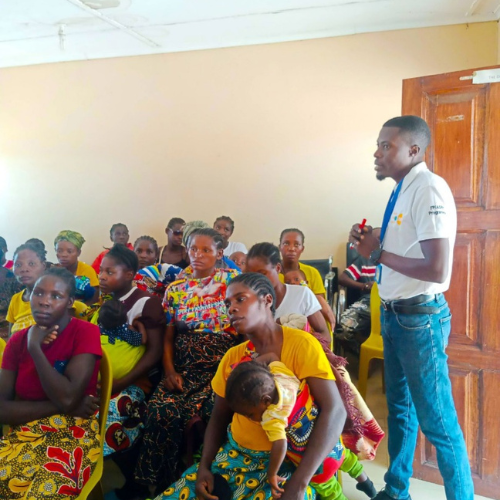
Community training days

Findings are verified through meetings and feedback loops that build trust and accuracy.

Community training days

Findings are verified through meetings and feedback loops that build trust and accuracy.

Community training days

Findings are verified through meetings and feedback loops that build trust and accuracy.

Meet the team

Muwa Katawa

Compliance & Admin Lead

Abraham Sinkala

External Relations & Funding Lead

Mate Mukamba

Community Mobilization Officer

Frequently Asked Questions

Trained community monitors visit households weekly to gather information on meals, food availability, and nutrition stress.

No. We focus on providing early-warning intelligence to help responders act faster.

Government officials, NGOs, local responders, and community leaders.

Yes — all findings go through community validation and weekly verification.

Get involved by volunteering, partnering, or supporting operational costs.

Our Latest Blog Posts

Community Engagement
18Nov

Community Engagement

Community Engagement Findings are verified through meetings and feedback loops that build trust and accuracy.

Data Visualization & Insights
18Nov

Data Visualization & Insights

Data Visualization & Insights

Community Data Collection
17Nov

Community Data Collection

Welcome. This is your first post. Edit or delete it, then start writing!

Real-Time Rural Hunger Monitoring Across Communities

Do Have Any Question?

Contact Form Demo